Why Child Development Knowledge Makes a Better Nanny
Updated: Mar 27
Children don’t behave randomly, even if it sometimes feels that way, especially in the middle of a Tesco aisle meltdown. In my experience, understanding how children develop has completely changed the way I approach childcare. What might look like difficult behaviour is often something much deeper, and recognising this can make a huge difference in how situations are handled (and save you fighting the urge to pull your hair out).
One of the most important things I’ve learned is that behaviour is often a form of communication. Children don’t always have the words to explain how they’re feeling, and as much as we can ask them to “use their words”, it’s sometimes as hopeless as asking me to reduce my coffee intake. What might seem like defiance can actually be frustration, tiredness or overwhelm.
I’ve found that when you take a step back and look at the bigger picture, it becomes much easier to respond in a calm and supportive way, even if it doesn’t feel like it in the moment.
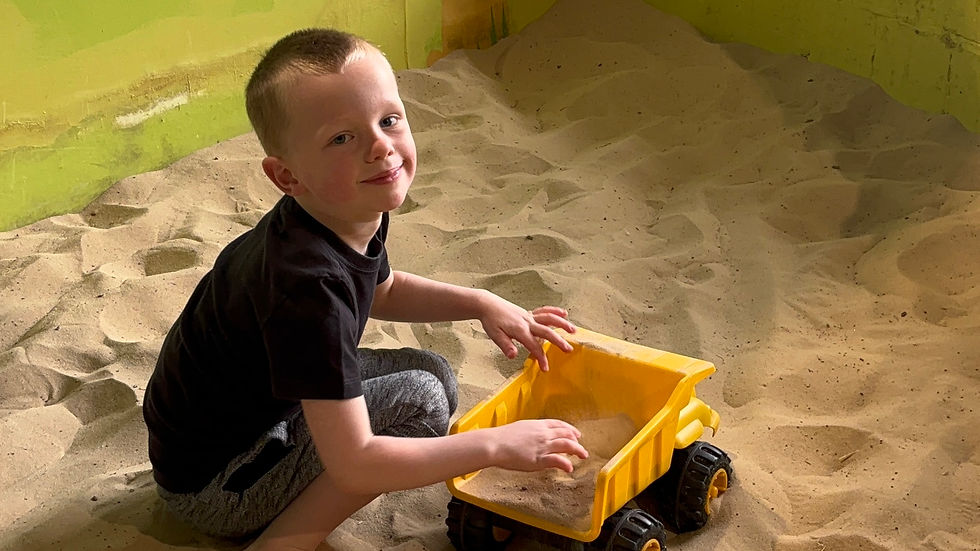
Learning Through Play
Activities aren’t just about filling time; they play a huge role in a child’s development. I always try to plan activities that support learning, whether that's through creative play, problem-solving, or simply exploring new environments.
I am a huge advocate for messy play, and don’t worry, I see the concern in the parents' eyes when they walk through the door, and we’re elbow deep in slime, making potions in the mud kitchen or doing our own science experiments. But there's nothing a bottle of Dettol, a kitchen roll, and a warm bath before bedtime can’t fix!
Supporting Emotional Development
Emotional development is just as important as anything else. Building trust, consistency, and a sense of security helps children feel safe and supported in their environment. In my experience, taking the time to understand a child’s emotions and respond with patience makes a big difference in how they learn to regulate themselves over time.
Sometimes it's okay to admit defeat. I'd be lying if I said I don't occasionally join in with whatever new trend is keeping them entertained – sometimes telling them to stop just fuels it even more. If you can’t beat them, join them. On a more serious note, there have been times I have gone home and just taken a deep breath. But it’s often the small wins that matter most: everyone was safe, everyone had moments of fun, and everyone made it to bed.
I also like to use simple tools, such as the zones of regulation, to help children recognise and express how they’re feeling. It gives them a way to understand their emotions and feel more in control of them.
Conclusion
Having an understanding of child development allows for more intentional and effective care. It helps create a more supportive environment for children, while also making it easier to navigate everyday challenges. While no one gets it right all the time, having that knowledge makes a meaningful difference.


Comments